
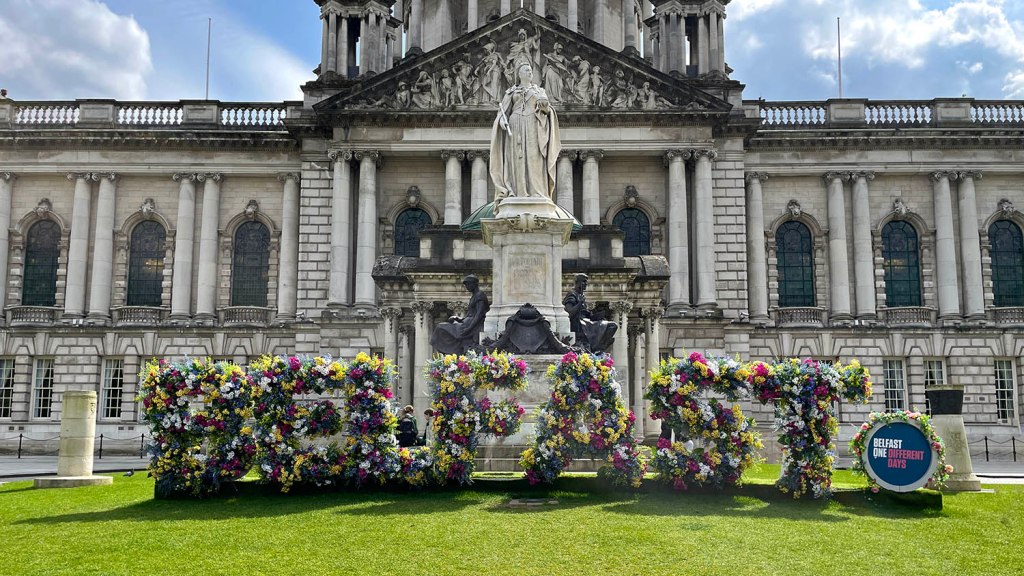
My visit to Northern Ireland was part of my two-month long travels through Northern Ireland, England, Scotland and Iceland. Leaving England from Leeds Airport, I thought I’d stay overnight in Belfast before hiring a car and heading up the coast, down the centre then returning to Belfast and a ferry back to England where I would meet up with my sons somewhere in the Midlands.
I ended up staying 3 nights on the advice of my younger son who told me I’d regret it if I didn’t stay longer. He was so right! On reflection the 2 days and three nights I spent there didn’t seem enough.
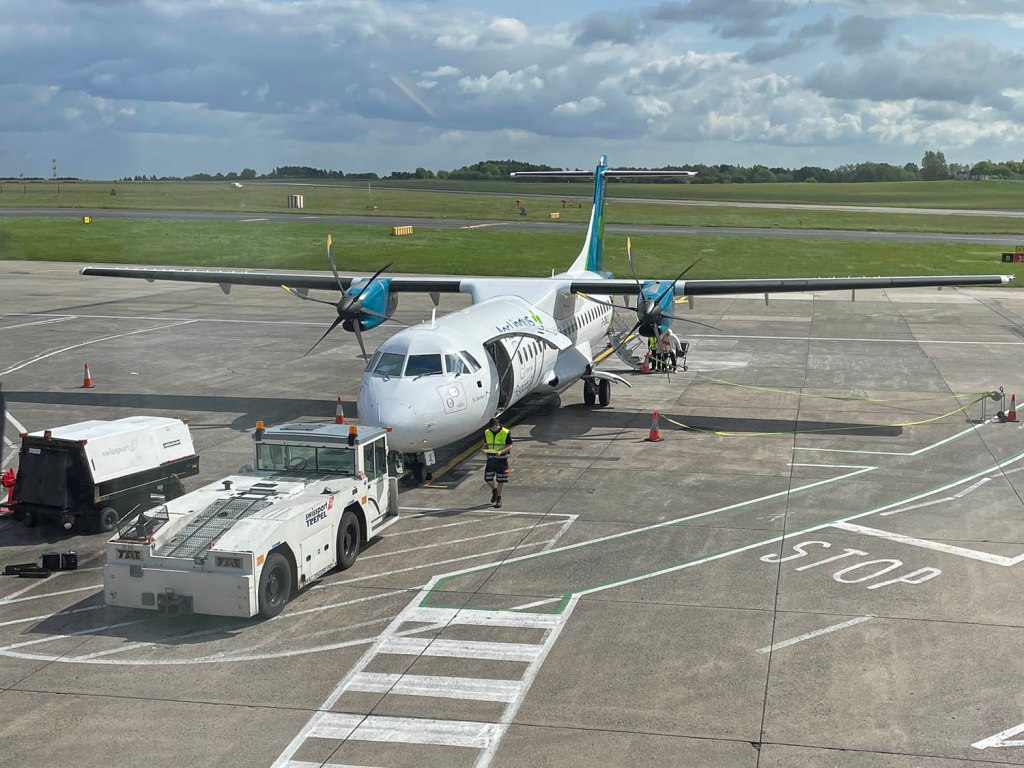
I suffer from “airport paranoia” and I’m not sure where I was or what I’d been doing when I realised I only had 15 mins before departure. All I know is when I looked at the board it said “boarding”. In a panic I hotfooted to the gate where everyone was sitting around calmly. The board now said “closing”. Where? There was no open gate or anyone boarding.
Ancient heart pumping madly, I followed a sign which I hoped would lead me to the Gate. It did, but I was reminded of why I usually get to the gate and hour or so before takeoff to relieve the stress of my “airport paranoia”.
We took off in good weather and it didn’t take long before I was negotiating my way to my accommodation.
As I was travelling on a budget I booked a bed in a hostel but it was actually a BNB situated a little way out in the suburbs. My host was Peter, my twin bedroom was huge and thankfully on the ground floor. Most hosts are a mine of information and Peter was no exception. He gave me a firsthand account of his experience in “The Troubles” of Ireland and the one thing he told me which stuck in my mind was the fact that, while everything seemed peaceful, the tension was still there bubbling quietly beneath the surface!
My first port of call was going to be the Titanic Museum, but first a quick visit to the Milltown Cemetery, recommended by Peter, a huge 55-acre cemetery which holds approximately 200000 graves of people who have died since it was opened in 1869.
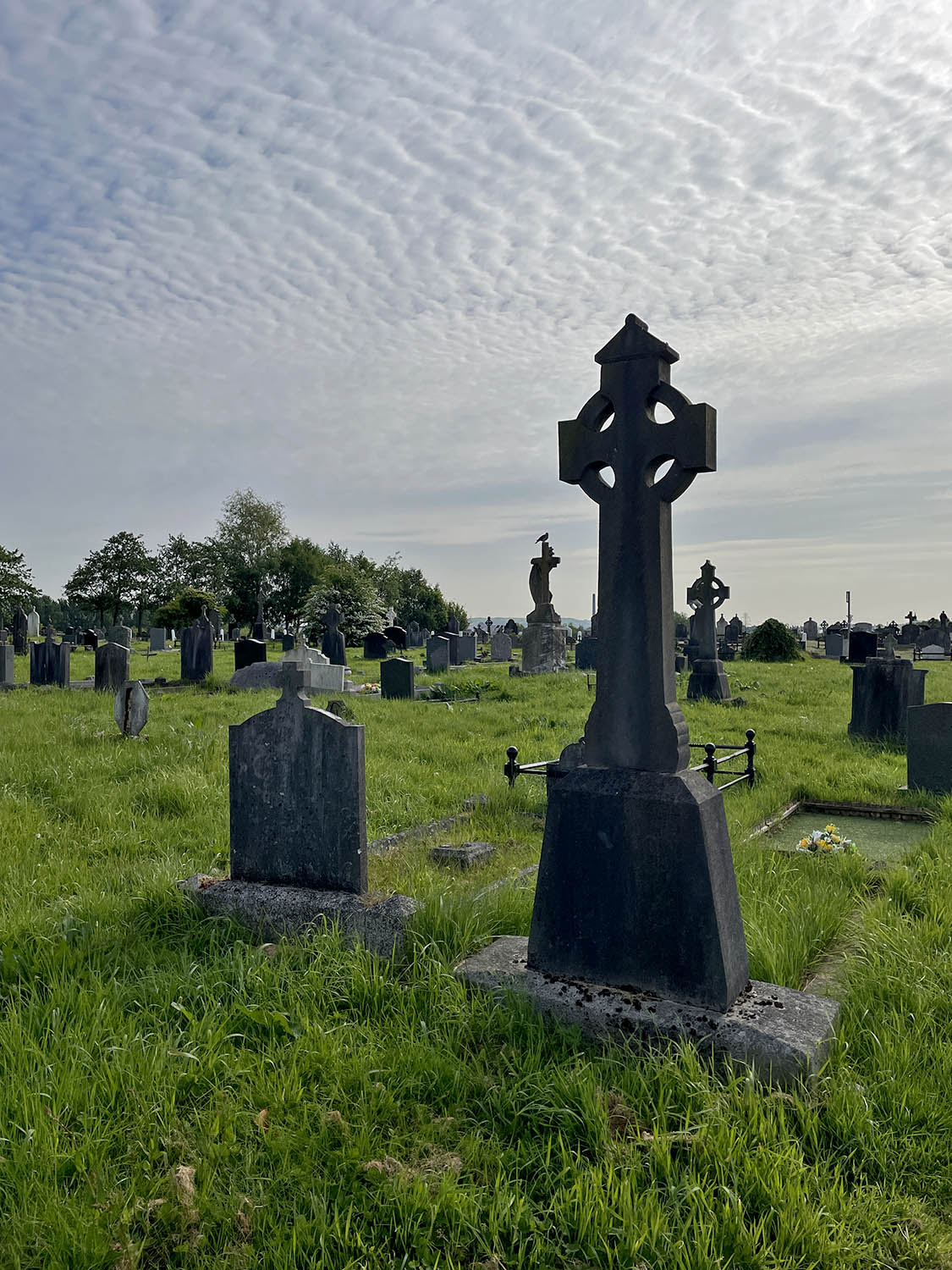

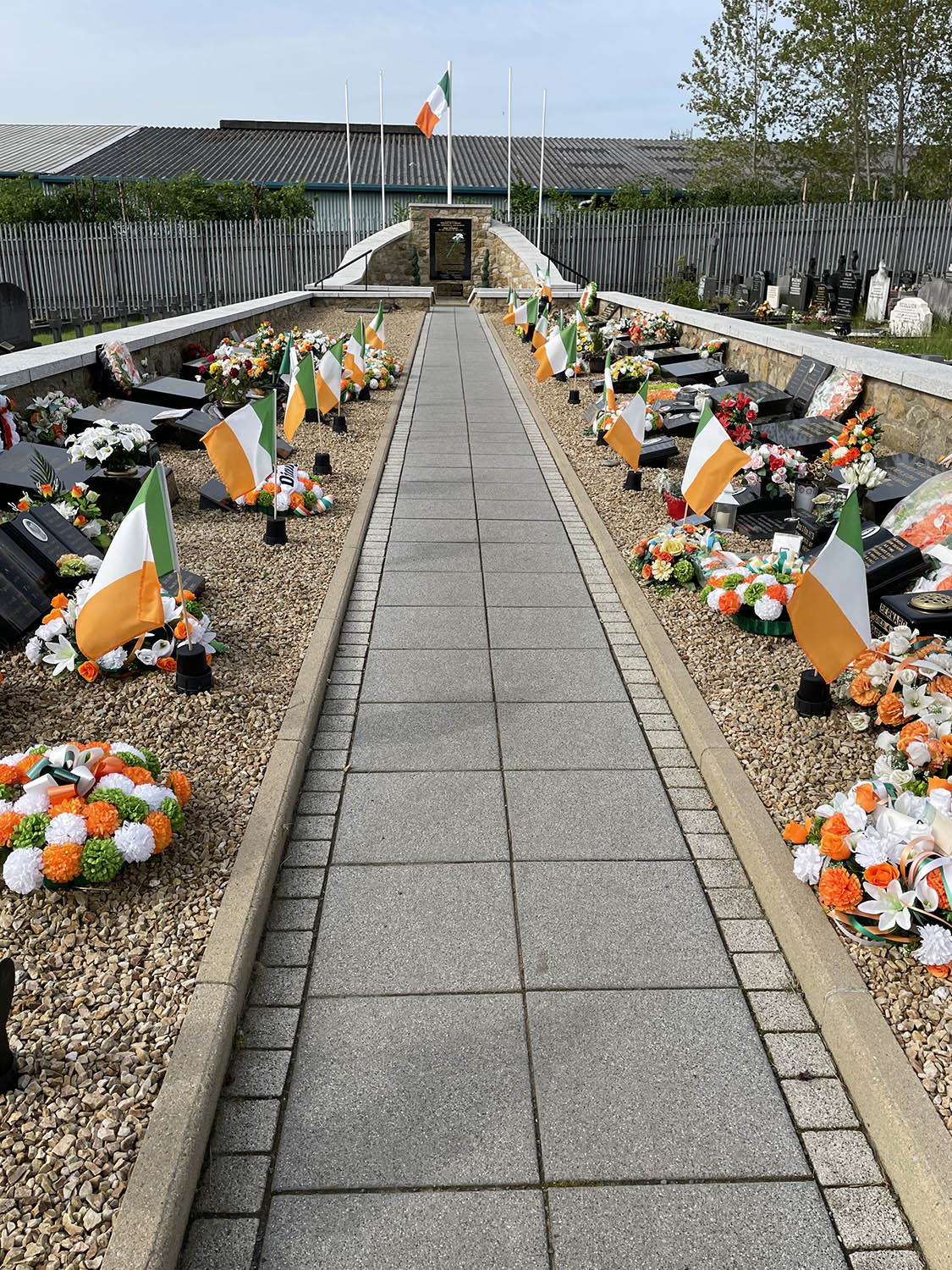
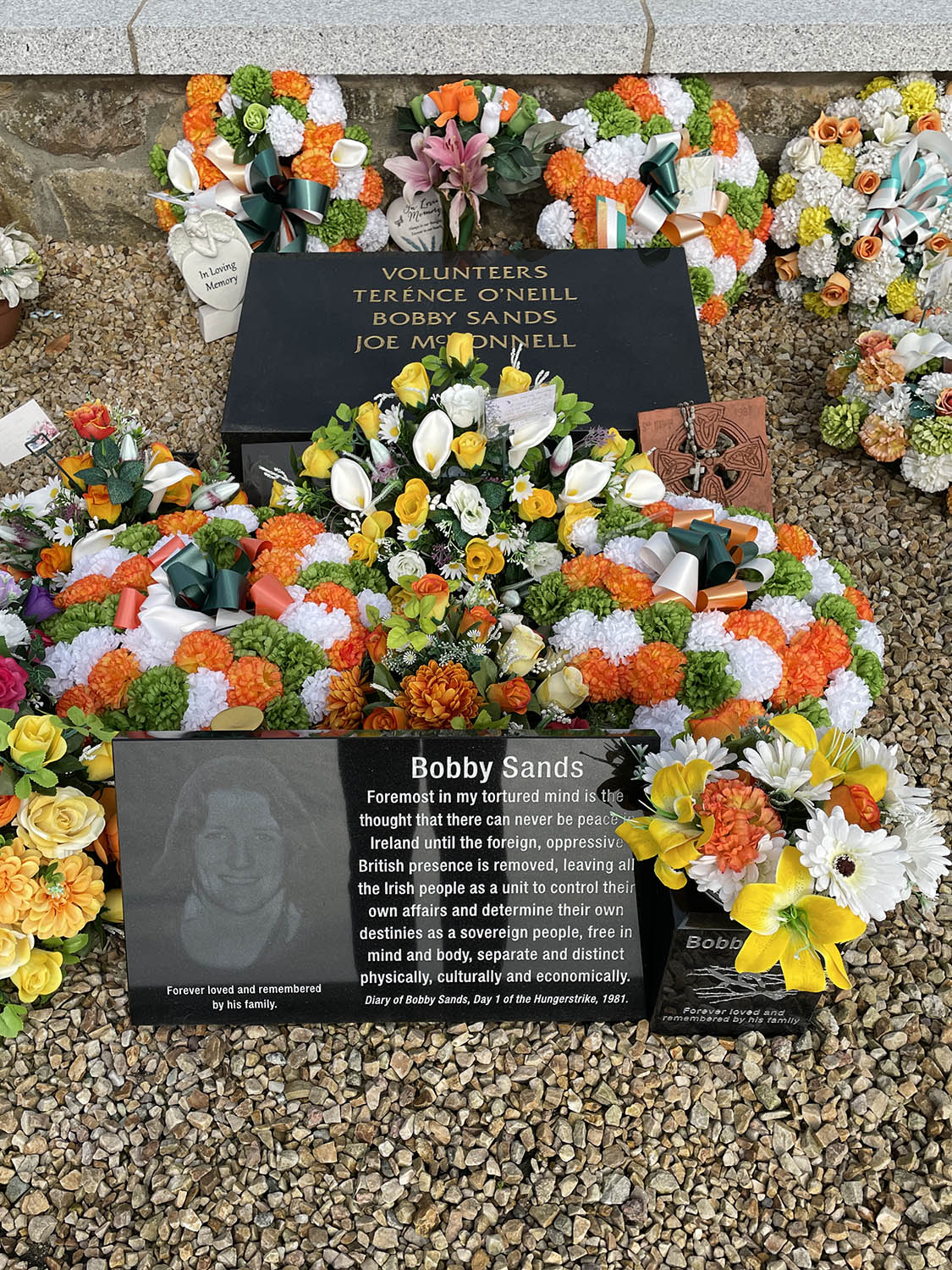
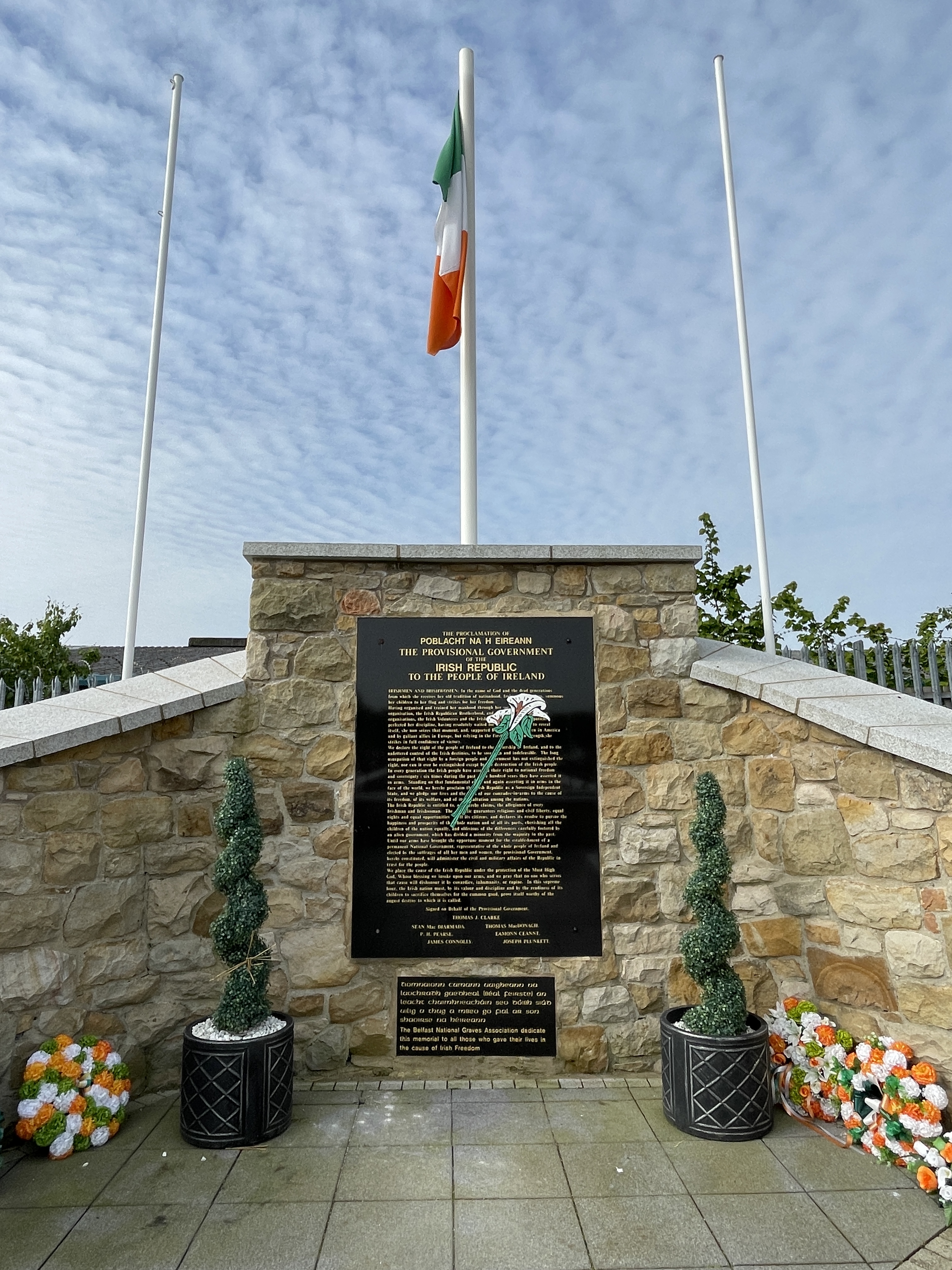
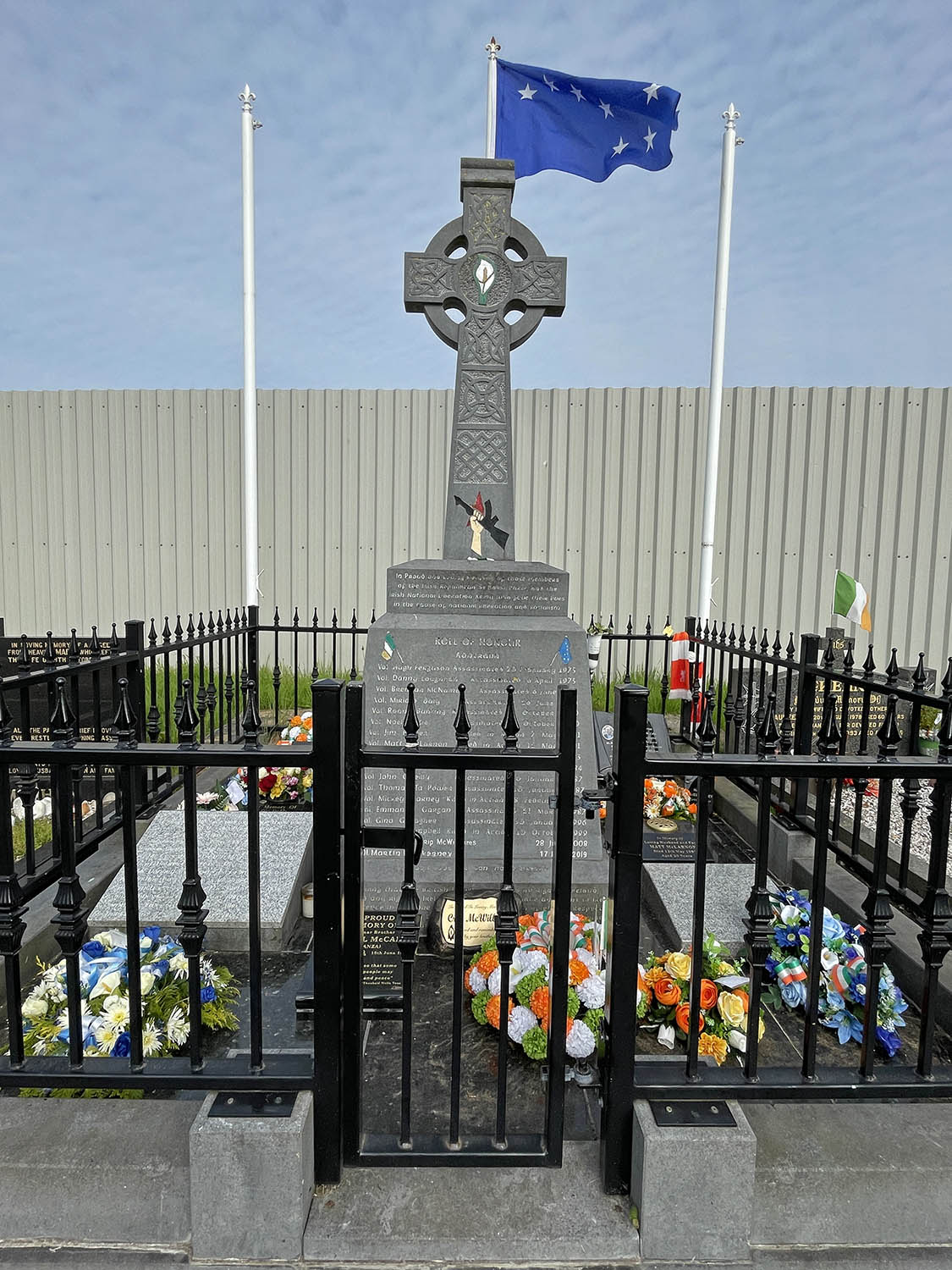
As well as graves of the men who died in the hunger strike of The Troubles, Peter had mentioned the attack by Michael Stone at the funeral of 3 IRA members in which 3 people died and 60 wounded. It was really sad seeing the graves of so many young men and women who died for the cause they believed in.
In the centre of the cemetery is a large, expanse of open lawn, known as the poor grounds. Over 80000 of the poor, most who died in the 1919 flu pandemic are buried there. There are no headstones, plaques or memorials to identify anyone, just a wide, green open space.
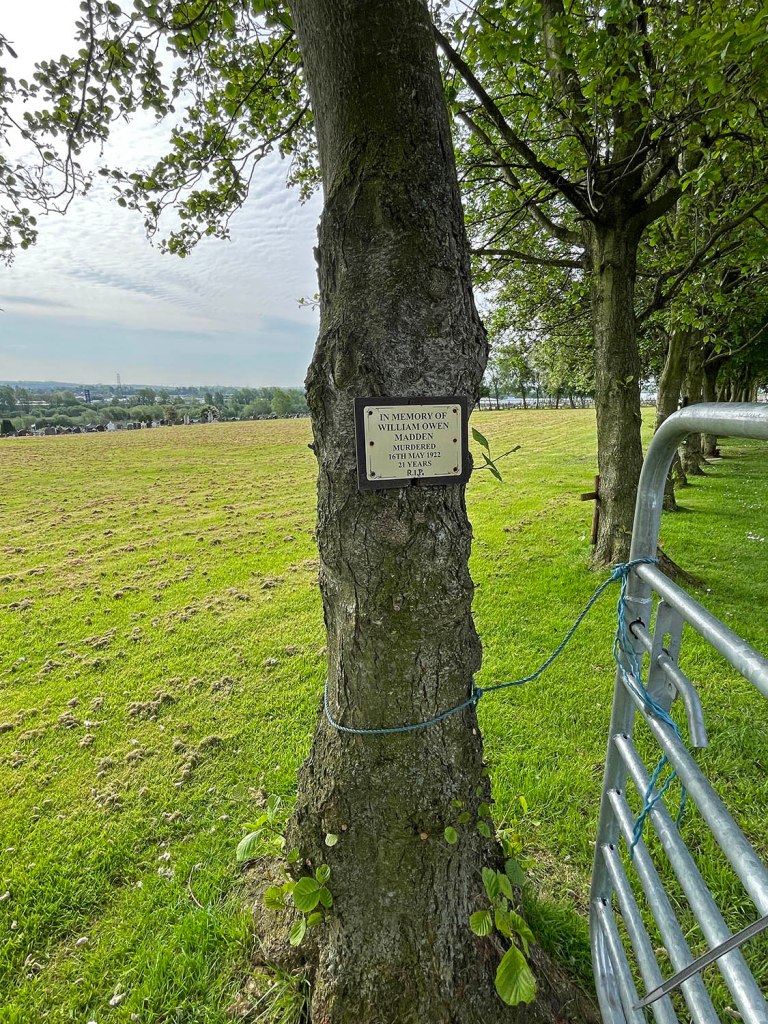
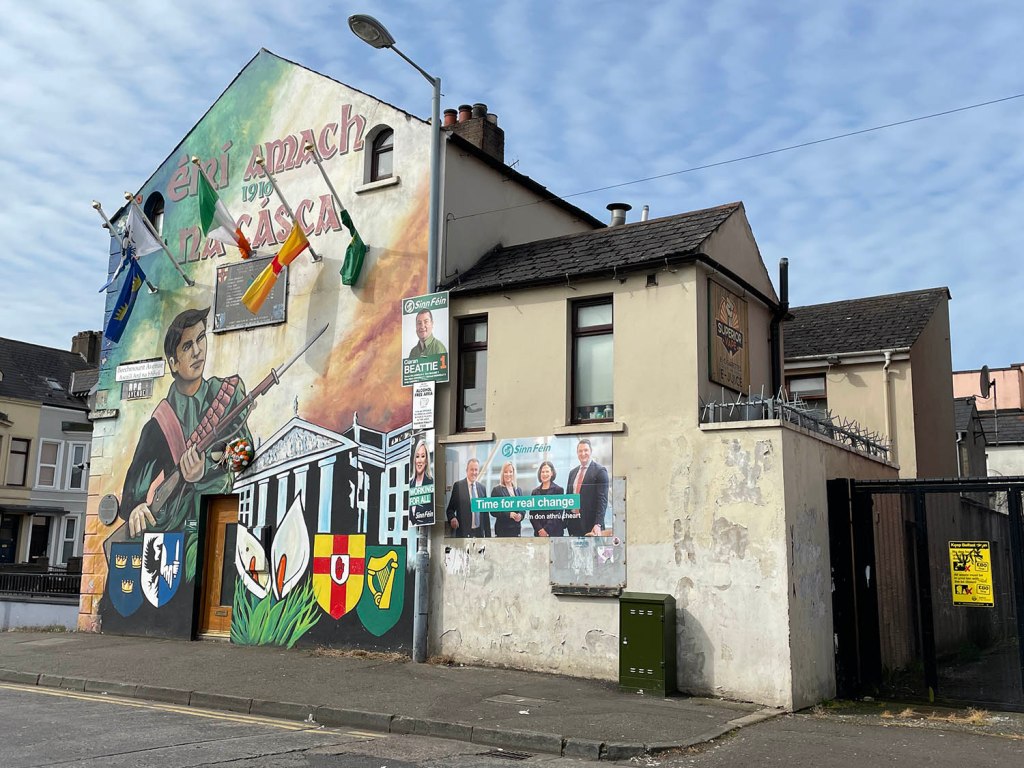
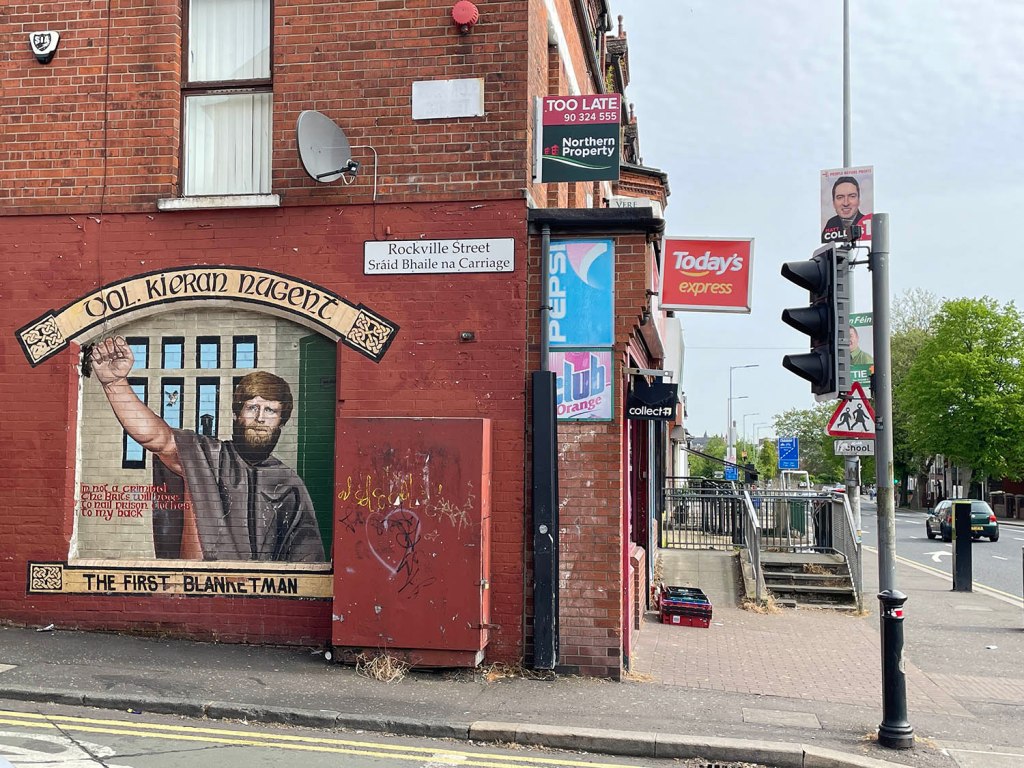
In a somewhat subdued mood, I decided to walk to the hop on hop off bus stop just down the road. 3km later there was still no sign of the bus stop or the bus and frustration was beginning to spill over. Although there were numerous murals to keep me occupied, walking down a very busy road for 45 minutes wasn’t my idea of holiday fun. I would rather have been at the Titanic Museum. Equally frustrating was waiting at the bus stop for a further 30 minutes for the bus to appear. Which it never did!
In desperation I caught a local bus to the city centre where the first City Sightseeing bus was ready to depart – it didn’t start it’s run till 10am so I’d have been waiting a lot longer than 30 minutes if the local bus hadn’t come along.
The Titanic Museum is amazing and is a must for any visitor to Belfast.

The bus stopped a short walk from the building, which was impressive to say the least. I hadn’t pre-booked but it wasn’t busy, so I was able to purchase a ticket and enter immediately. My advice – don’t go there and expect to leave after an hour.
The history is compelling. 3000 men worked on the ship over a period of 2 years. They worked a 49hr week for a mere £2, but I’ve no doubt that the workers were grateful for the opportunity to work as after long years of famine in Ireland the population of Belfast between 1851 and 1901 had increased from 87069 to 349180.


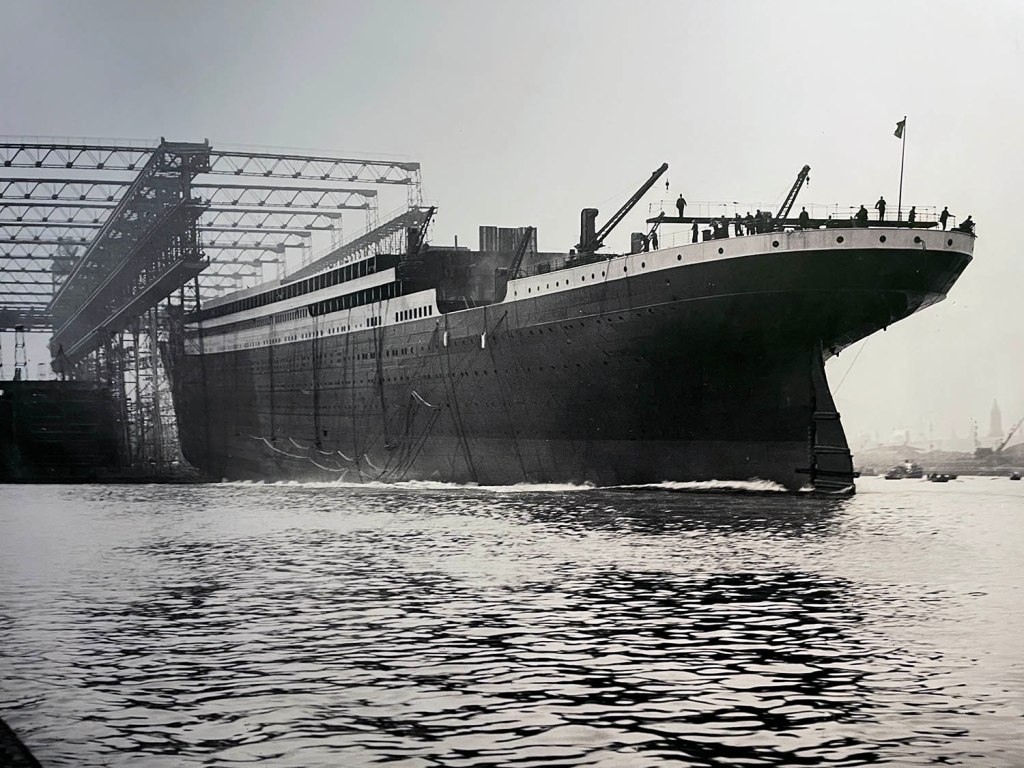
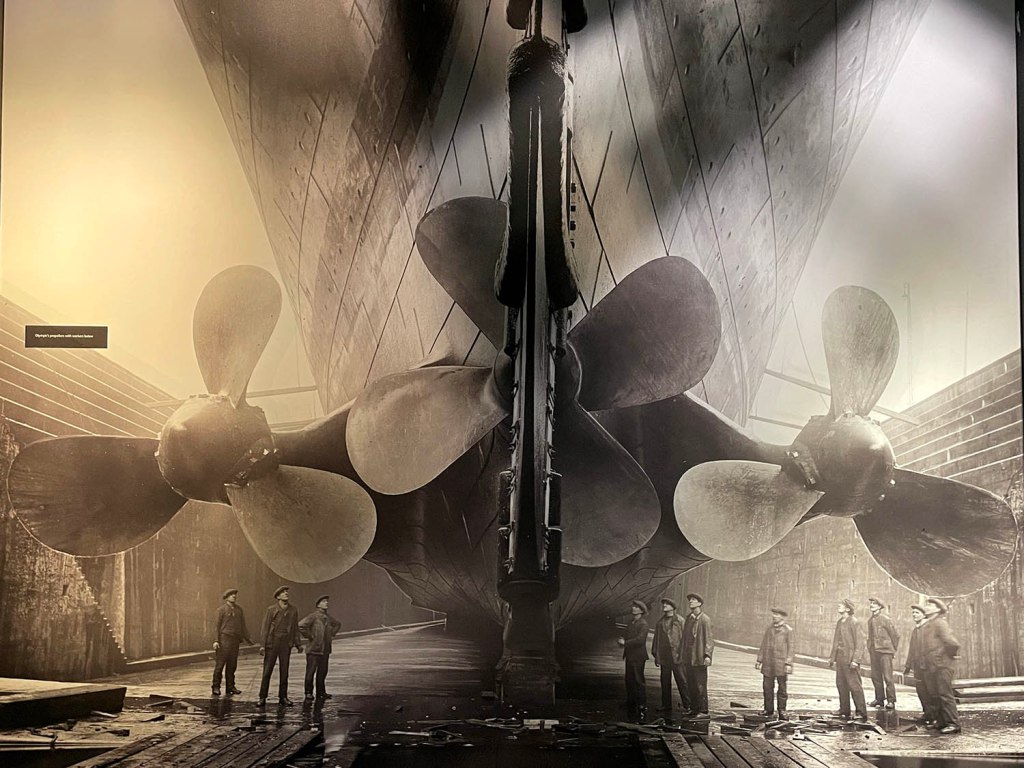
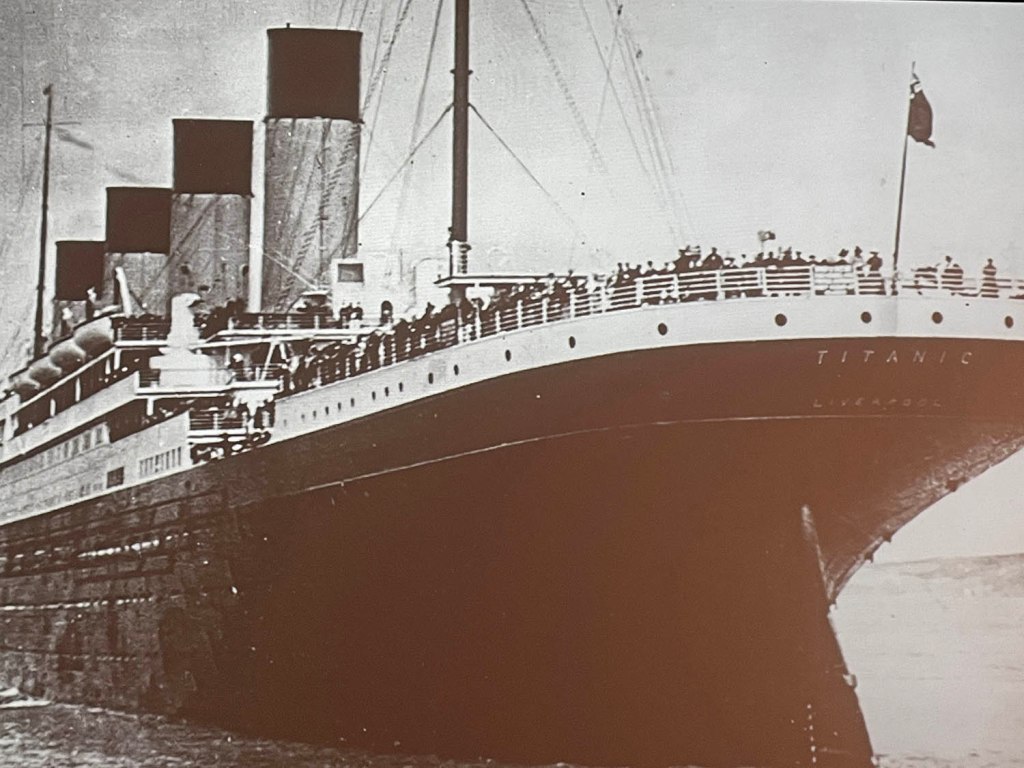
The luxurious Titanic, propelled by 3 massive propellors and held together by over 3 million rivets, commenced her maiden voyage on 10th April 1912 with 2240 crew and passengers on board. First Class consisted of the wealthy upper class who paid between £30 and £870 for their journey.
The average price for second class rooms, occupied by clergy, academics, authors and generally the middle class was £13. The third-class or steerage passengers were a mixture of immigrants who were hoping to start a new life in America. Their fare was £7 with £3 for children.
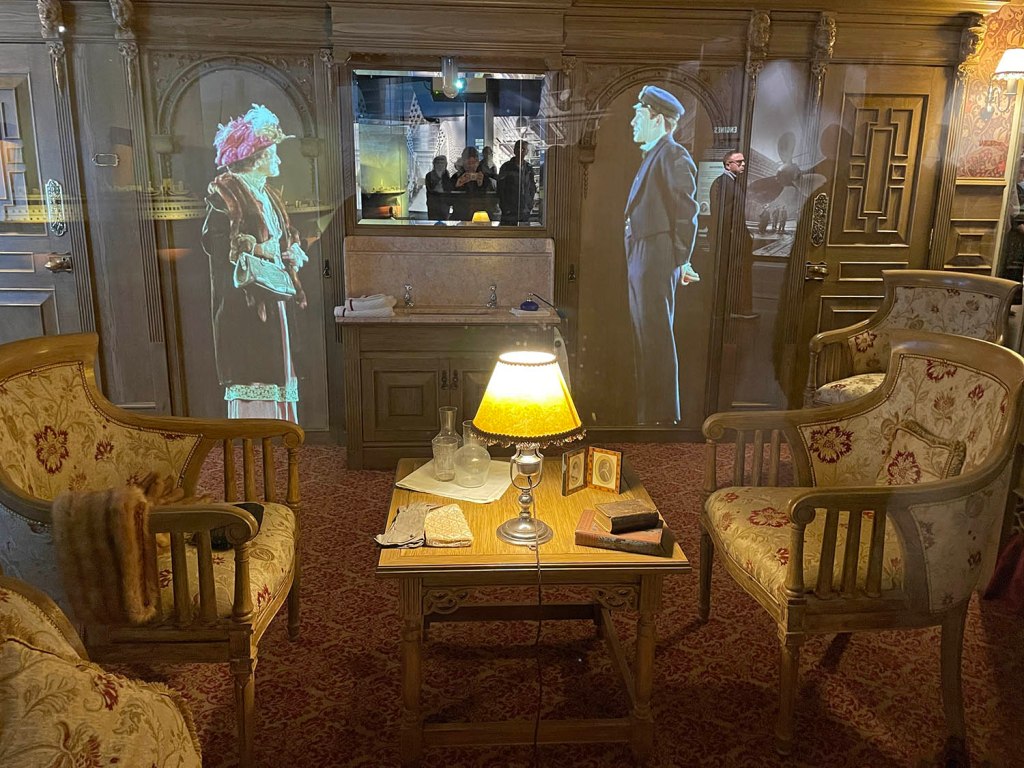
On the 14th April the Titanic hit an iceberg, and on the 15th April, in the early hours of the morning the Titanic sank. The final messages pleading for help by the desperate crew are displayed on boards.
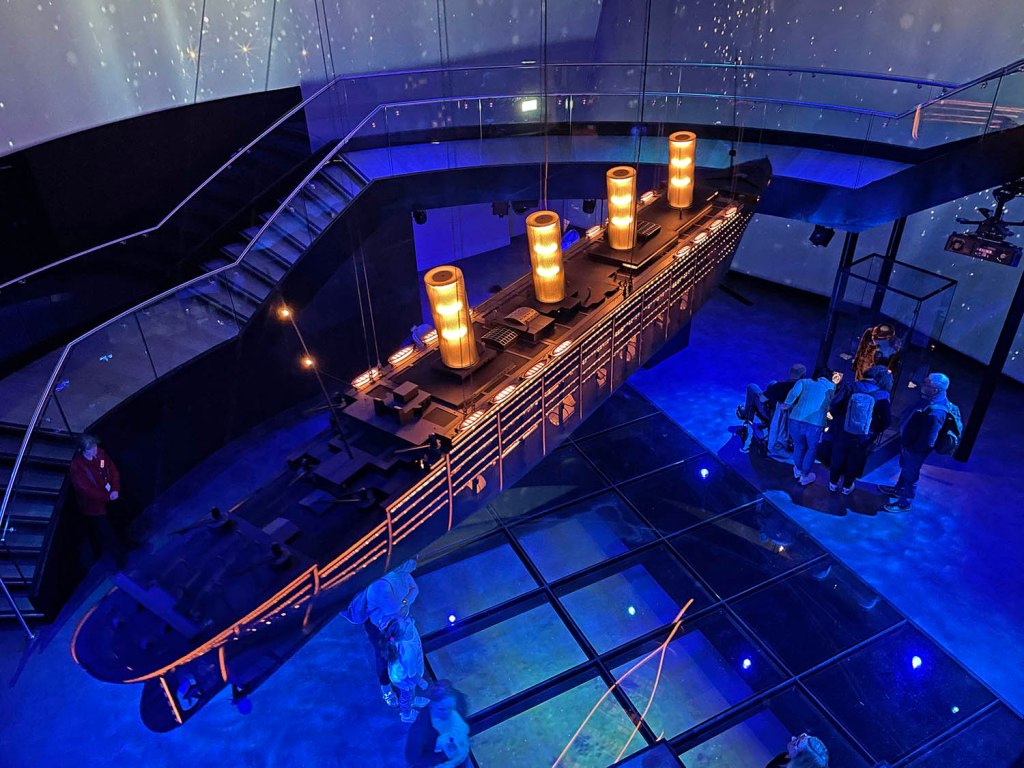
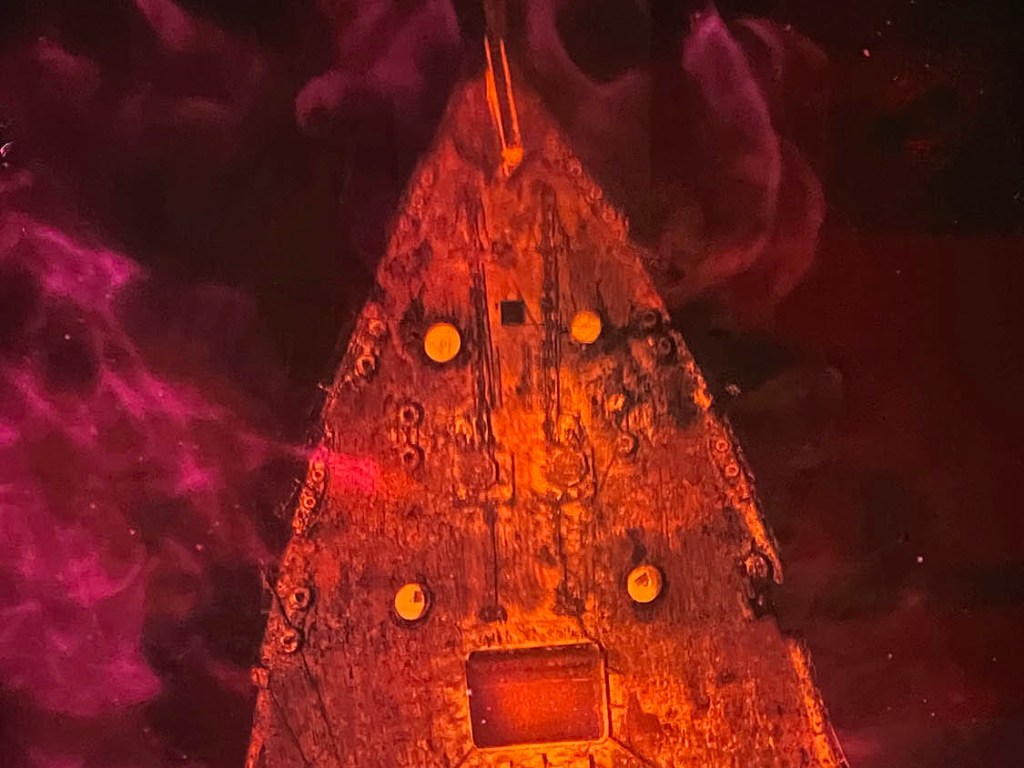
Not to be missed is the Shipyard ride, where you learn about the building of the Titanic from a minicar which slowly travels around the museum. There are many other displays, artifacts and sections to the museum, including an incredible glass floor showing photos of the Titanic as she lies on the ocean bed.
My original plans for the day had been blown to smithereens, but I don’t regret the time I spent at the museum, however getting back on the top deck of the hop on hop off bus in order to get back to the city and my bus back to my accommodation was literally a breath of fresh air.
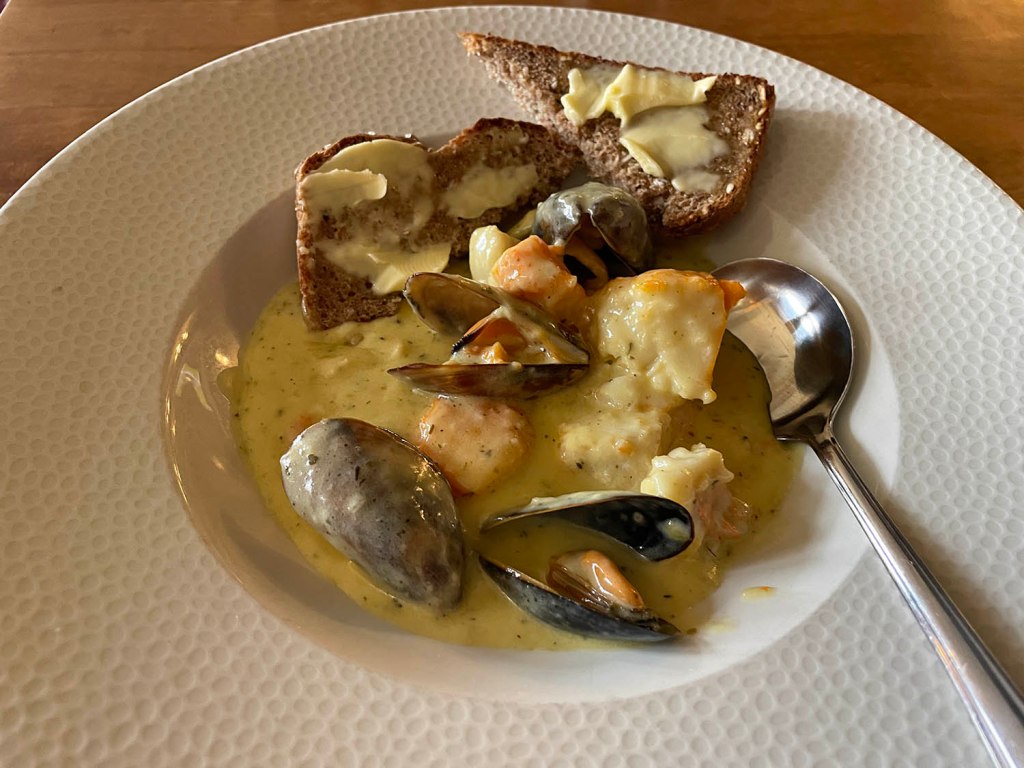
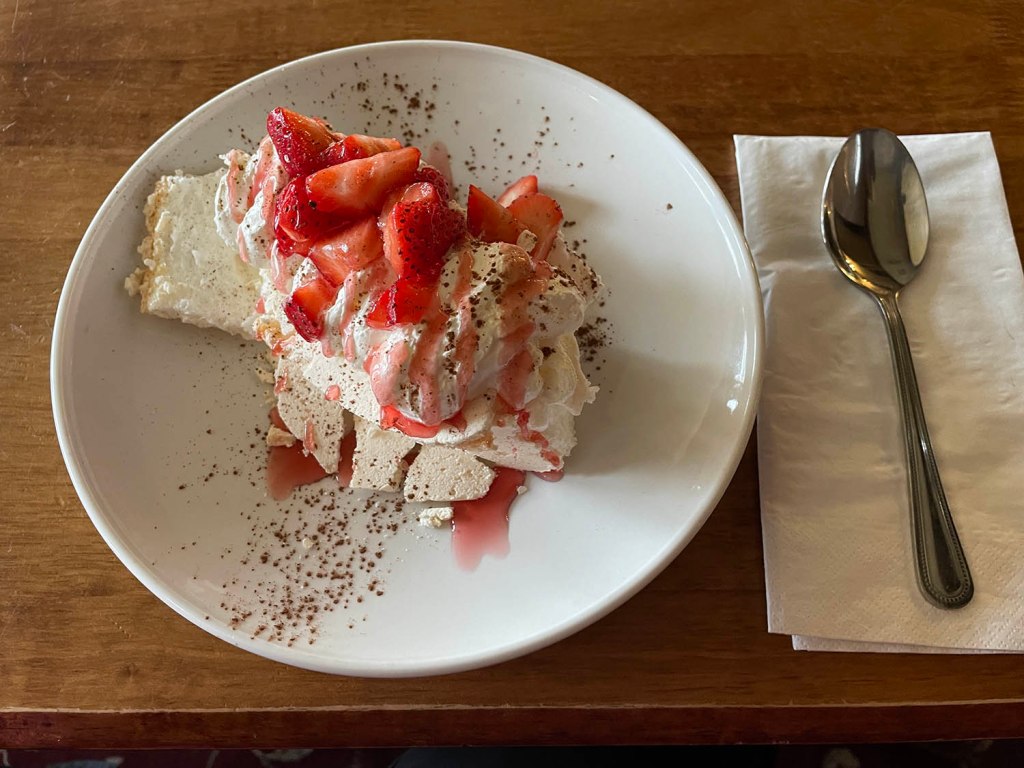
I topped the day off with dinner at the local pub, The Glenowen Bar & Kitchen. I had a delicious Chowder, followed by an enormous serve of pavlova. I’d had dinner there the previous evening and the meal was so good I returned each night I was in Belfast.
 Dream of Travel - Live the Dream
Leave a comment